Anxiety Relief Bundle: Calm Tools in One 4-in-1 Kit
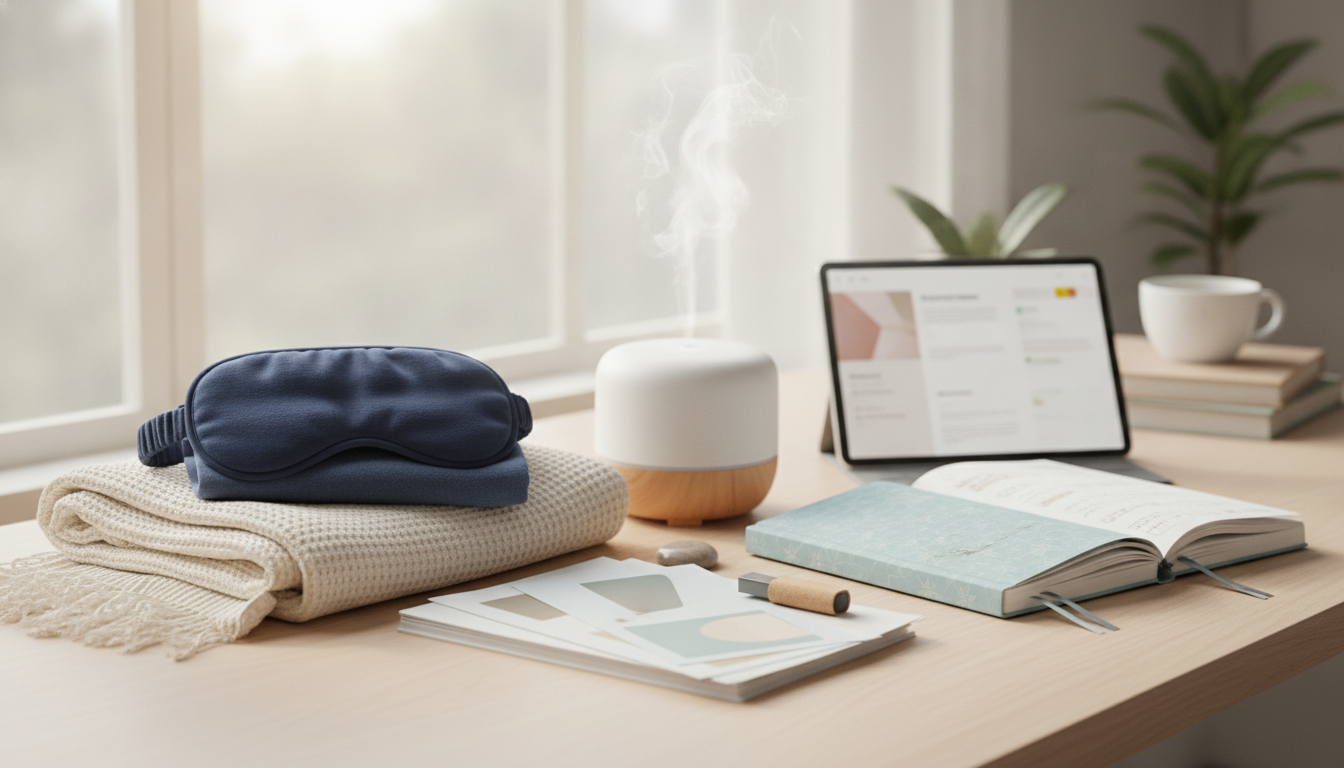
The Anxiety Relief Bundle: A Path to Calm
Anxiety often shows up as racing thoughts, tension in the body, and a feeling of being “on edge.” In those moments, it’s easy to default to guessing what might help—then feel even more overwhelmed when nothing feels clear. A structured set of tools can make it easier to respond in the moment and build steadier habits over time.
The Anxiety Relief Bundle: A Path to Calm is a 4-in-1 digital bundle that combines mindfulness exercises, positive thinking prompts, a printable checklist, and a course-style outline so daily practice feels clear, doable, and trackable. For general background on anxiety and stress responses, see the National Institute of Mental Health and the American Psychological Association.
What’s Included in the 4-in-1 Bundle
- Mindfulness exercises designed for short, repeatable practice (useful during spikes of worry or stress).
- Positive thinking framework to challenge unhelpful thought patterns and reinforce balanced self-talk.
- Printable checklist to reduce decision fatigue and keep routines consistent on busy days.
- Course outline structure to guide progress step-by-step rather than relying on motivation alone.
- Digital-friendly format supports printing or using on a tablet/phone for quick access.
Because it’s digital, the tools can live where you need them most: on a phone for quick access, or printed and placed somewhere visible (nightstand, desk, fridge) to make “what do I do now?” easier to answer.
How the Pieces Work Together (From “Stuck” to Steady)
Each part of the bundle supports a different “layer” of anxiety relief. Mindfulness helps settle the body and attention. Positive thinking adds a practical way to respond to worry thoughts. The checklist reduces friction when stress makes decisions harder. The course outline creates a path, so you’re building skills rather than starting over each day.
Bundle Components and When to Use Them
| Component | Best for | Typical time | Example outcome |
|---|---|---|---|
| Mindfulness exercises | Immediate calming and grounding | 2–10 minutes | Lower physical tension, clearer focus |
| Positive thinking prompts | Reducing catastrophic or self-critical thoughts | 5–15 minutes | More balanced perspective |
| Printable checklist | Consistency and quick decisions under stress | 1–3 minutes | A clear next step instead of spiraling |
| Course outline | Building a routine over days/weeks | 10–20 minutes/day | Progress tracking and skill-building |
A Simple Routine to Start Within 10 Minutes
When anxiety is high, complicated plans can backfire. Try this repeatable 10-minute structure and keep it the same for a few days so your nervous system learns the rhythm.
- Minute 1: Name what’s happening (example: “anxiety is here,” “my chest feels tight”). Labeling can reduce uncertainty and make sensations feel less mysterious.
- Minutes 2–5: Do a short grounding practice: breath counting, a quick 5-4-3-2-1 senses scan, or a brief body scan.
- Minutes 6–8: Choose one positive thinking prompt and challenge the strongest worry with a more realistic statement.
- Minutes 9–10: Mark one action on the checklist (hydration, brief walk, message a friend, tidy a small space).
- Repeat for 3–7 days: Familiarity often increases effectiveness. Change the practice later if needed, not mid-spiral.
Mindfulness Exercises That Tend to Help When Anxiety Spikes
Mindfulness doesn’t have to be long or quiet. Short practices can help interrupt the stress response and bring attention back to what’s actually happening right now.
- Box breathing (4-4-4-4): Inhale 4, hold 4, exhale 4, hold 4. Repeat 4 cycles to slow the body’s alarm system.
- 5-4-3-2-1 grounding: Identify 5 things you see, 4 you feel, 3 you hear, 2 you smell, 1 you taste.
- Progressive muscle relaxation: Tense and release muscle groups to lower physical agitation.
- Short body scan: Move attention from head to toe, noticing sensations without judging them.
- Micro-practice for public settings: One slow exhale + noticing your feet on the ground.
Positive Thinking Without Toxic Positivity
Helpful “positive thinking” isn’t pretending everything is fine. It’s aiming for accurate, balanced thoughts that reduce panic and increase choice.
- Trade forced optimism for realistic self-talk (example: “This is hard, and I can take one step”).
- Watch for common thinking traps: catastrophizing, mind-reading, all-or-nothing thinking, and overgeneralizing.
- Use a quick reframe format: thought → evidence for/against → kinder alternative → next action.
- Keep reframes short; long entries can feel overwhelming during high anxiety.
- Pair reframing with grounding so body and mind settle together.
Printable Checklist Ideas for Calm, Clarity, and Follow-Through
A checklist is less about perfection and more about reducing mental load. When stress is high, a pre-decided list can keep you from negotiating with your own anxiety.
- Create two tracks: Daily maintenance (sleep routine, movement, meals, hydration) and In-the-moment reset (breathing, grounding, a short walk).
- Use checkboxes for tiny wins; small completions build confidence and reduce helplessness.
- Add a “support plan” line: who to contact, what to say, and what kind of help you need.
- Include an environment reset: dim lights, reduce noise, step outside, or clear one surface.
- Review weekly: keep what works, remove what doesn’t, and avoid making the checklist too long to use.
Pair It With Better Sleep Support (Optional, Helpful)
Sleep Reset: Guided Audio Course for Restful Nights is designed as a short series you can return to when it’s hard to “turn off” your brain at night.
Who This Bundle Fits Best (and When to Seek Extra Support)
FAQ
What is the best exercise to relieve anxiety?
Breathing-based exercises (like box breathing or a slow, longer exhale), grounding (like the 5-4-3-2-1 method), and progressive muscle relaxation are practical options that work quickly for many people. The “best” exercise depends on the situation, and doing a short practice consistently tends to matter more than finding a perfect one.











Leave a comment